

Open ten winery websites in a row and you start to lose track of which is which. Grape varieties. Altitude. Barrel time. A wall of medals. Every fact is true, most of it is forgettable, and each site sounds a little like the last one you closed.
Here is the uncomfortable part: search engines see the sameness too. When your copy could belong to any producer in your region, Google has no reason to treat you as the answer to anything. SEO can bring you traffic. Only branding earns trust. This series, From Scroll to Sip, is about closing the gap between being online and actually meaning something once people arrive. We start where every ranking quietly begins, with clarity.
Before the click comes the connection

When someone types "organic wine from Armenia" into a search bar, they are not hunting for data. They are looking for a feeling: something honest, something human, something that matches their taste or their values. Google's systems increasingly reward exactly that. They favour content that reads like it was written for people, not assembled about products.
So, before you touch your rankings, ask one blunt question: would anyone stay on this page if search engines did not exist? If the answer is no, that is your real starting point, and no keyword will paper over it.

Branding is your SEO foundation, not a coat of paint on top of it
Think of your brand as your digital terroir. It shapes everything that grows on it, including your visibility. When your copy, visuals, and tone all line up around one clear identity, your SEO stops being a bag of tactics and starts compounding, because algorithms read clarity as confidence, and confidence reads as authority.
Every winery has a story. Not every winery tells it clearly. That is what branding actually fixes: not just how you look, but the language you use. Clear branding quietly answers the three questions search engines are always asking:
- Can people recognise me? Consistent name, visual identity, and tone across every page.
- Can they trust me? Authentic content, real reviews, a voice that holds steady.
- Can they find me and understand me fast? Sensible structure, honest keywords, a story hierarchy that guides the eye.
When those answers are yes, your brand story does half the ranking work for you.
The 5S of brand clarity, and how Google reads each one
You may have seen me share the 5S Brand Wheel before: Sense of Place, Standards, Sentiment, Style, and Story. It is usually framed as an emotional tool. It is also, quietly, an SEO tool. Each S sends a signal to the humans reading you and to the machines indexing you at the same time.

This is not window dressing, it is function. Your clarity directly shapes how both people and algorithms interpret what you are worth.
Stop chasing traffic, start earning resonance
SEO success is not about more clicks; it is about the right ones. You do not need thousands of visitors who bounce in four seconds. You need hundreds who stay, read, and reach for their wallet. People stay when the story sounds like something they want to be part of.
So instead of fixating on search volume, design around search intention. When someone searches "wine delivery gift", they are not shopping for logistics, they are looking for a thoughtful gesture. If your page answers that emotion ("Send a bottle that tells a story") you are not merely optimized, you are relevant. Ask what your customer is really trying to find, and what feeling sits underneath the words they typed.
Your keywords should sound like your customers, not your competitors
The word keyword sounds mechanical. In practice it is emotional. A good keyword is simply the language your audience already uses for the thing they hope to find. People do not search for "well balanced tannins", they search for "smooth red wine for dinner". They do not Google "family-owned Armenian micro producer", they search "small winery with a real story". Your job is not to echo the trend; it is to anticipate the intent behind it.
Healthy keyword strategy, like a healthy vineyard, needs variety with focus. Grow three grape types:
- Core keywords describe who you are: "organic winery Armenia", "family vineyard France".
- Content keywords cover what you talk about: "how to pair wine and food", "wine gift ideas".
- Conversion keywords name what you sell: "buy wine online", "book a tasting".
Lean too hard on conversion terms and the whole site feels like a checkout queue. Publish only dreamy educational content and readers stay inspired but never buy. The strongest strategy blends education, emotion, and conversion in one steady voice.
Content is storytelling that works while you sleep
Once your keywords sound like your brand, build a system that keeps telling your story around the clock. That is all content marketing really is: automated storytelling. It helps to picture your website as three tasting rooms, each with a different job, all speaking with one voice.

You don't need louder SEO. You need clearer storytelling.
Story-driven links and healthy digital soil

Internal links are like the footpaths through your vineyard. They walk visitors from one story to the next, and when one page ends with no way forward, you lose the reader. Done well, linking lifts session time and search authority, but the real prize is emotional continuity, the sense that everything here belongs together. Link from emotion to education ("The story behind our oak barrels" leads to "How Armenian oak shapes taste"), then from story to sale ("Meet our winemaker" leads to "Order their signature blend").
None of it thrives in poor soil. Technical SEO is that soil: unseen and feeding everything above it. Keep four essentials healthy:
- Page speed: slow pages kill curiosity.
- Mobile design: if it does not fit in a hand, it does not fit a life.
- Clear site structure: easy navigation is mental comfort.
- Security: trust is a ranking factor.
These are not chores. They are quiet signals that your brand cares about the experience it offers, and caring, digitally speaking, ranks.
Where this leaves you

Branding is not the step before SEO. It is SEO. Your story shapes how people and algorithms decide what you are worth, so clarity comes first, visibility second, resonance always. Before you obsess over a single keyword, run your own site through three honest checks:
- Does it sound like your brand, or like everyone else's?
- Do your words, visuals, and values match on every page?
- Would your audience recognise your voice with the logo removed?
Wherever the answer wobbles, that is your SEO starting line.
If you want a second pair of eyes on that foundation, a brand clarity audit is exactly what I do at Wine with Margot. We find the places your story goes quiet, and we turn them back up, so your website finally sounds like you and Google finally agrees.
People also ask
Any questions related to this topic? Maybe you can find your answer here. Click here!
Does branding actually help with wine SEO?
Yes, and it does more heavy lifting than most keywords. Search engines reward clarity, consistency, and trust, which are exactly what strong branding produces: a recognisable name, a steady voice, and content that reads like it was written for people. When your brand is clear, algorithms read that clarity as authority and your rankings start to compound instead of stalling.
What is the 5S Brand Wheel in wine marketing?
The 5S Brand Wheel is a simple framework of five brand pillars: Sense of Place, Standards, Sentiment, Style, and Story. Each one shapes how customers feel about your wine, and each one also sends a signal to search engines, from place-based keywords to time on page to internal link context. It is an emotional tool and an SEO tool at the same time.
Why do so many winery websites sound the same?
Because most of them lead with the same facts: grape variety, altitude, barrel time, and a list of medals. Those details are true but interchangeable, so nothing distinguishes one producer from the next, and search engines have no reason to rank you as the answer. The fix is brand clarity: leading with who you are and why you matter, in a voice only you could use.
How do I choose keywords for a winery website?
Use the language your customers already use, not the language your competitors use. People search for "smooth red wine for dinner", not "well balanced tannins", so mirror real intent across three types: core keywords for who you are, content keywords for what you talk about, and conversion keywords for what you sell. Blending all three keeps the site from feeling either like a checkout queue or a daydream.
What is a brand clarity audit for a wine brand?
It is a structured review of whether your website sounds like you or like everyone else. It looks at whether your words, visuals, and values match on every page, whether a reader would recognise your voice with the logo removed, and where your story goes quiet. The goal is to turn those quiet spots back up so your brand is clear to both customers and search engines.
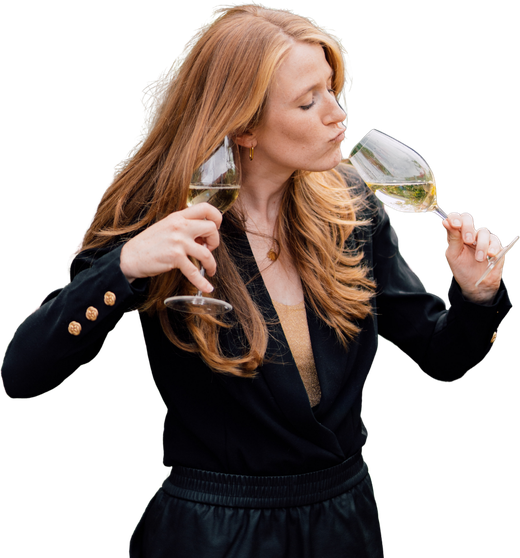
Margot van Lieshout
Wine marketeer, sales expert with over 20 years in the trade, public speaker and international wine judge. Thousands of wines scored from Steiermark to Ningxia, and a trade she knows from the inside out. Wine with Margot is where she helps wine brands tell the stories that sell them.
Want to argue about this? Good.
The conversation about every article happens in the Substack comments, together with the newsletter. Join free and bring opinions.


