

Most winery About pages read like a headstone. Founded in 1888. Fourth generation. Estate-grown fruit, hand-harvested, aged in French oak. Every line is true, and every line is dead on the page.
The winery has a story sitting right there in those words, and nobody is telling it. That gap, between owning a story and actually telling one, is why so much heritage-rich wine content leaves the reader feeling nothing and remembering less.
Having a story and telling it are two different jobs

Every winery I meet insists it has a great story, and usually they are right. The land, the family, the near bankruptcy in a bad year, the grandmother who refused to sell the vineyard when the co-op told her she was mad not to. The raw material is almost always there. What is missing is the telling.
Having a story means the events exist. Telling a story means you shape those events so a stranger feels them in their body before they have finished reading. Those are two separate jobs, and most wine brands do the first and skip the second. They list the heritage and assume the list counts as the telling. It does not. A CV lists your jobs. It has never once made anyone cry.
Why "since 1888" does nothing for the person reading it

"Since 1888" is meant to signal trust, longevity, craft. To you it carries the weight of five generations. To the person scrolling on a Tuesday night, deciding between your bottle and the one beside it, it carries almost nothing. It is a number with no scene attached. Their brain files it under "old winery, like the other forty old wineries," and moves on.
The problem is not the fact. The fact is good. The problem is that a fact hands the reader nothing to feel and nothing to picture. The research is boringly consistent here: we are wired to remember specific, emotionally charged moments, not dates and adjectives. Paul Slovic and his colleagues found that people respond far more strongly to one named, described individual than to a statistic covering thousands. One person with a face beats a big number every time. "Since 1888" is the number. The story is the face.
"Since 1888" is the number. The story is the face.
What actually turns heritage into a story

A story is not a mood you sprinkle on top. It has parts, and you can check for them like ingredients on a back label. If a piece of your content is missing these four, it is a fact in nice clothes, not a story:
- A character to root for. Not "the family," but a person: your grandfather, your winemaker, the "you" who signed the loan papers with a shaking hand. Readers bond with faces, not entities.
- Something at stake. Not every winery has a near bankruptcy in its past, and you do not need one. The stake can be much quieter than that: a choice someone cared enough about to risk being wrong. The grandfather who planted the slope everyone told him to leave alone. The decision to keep picking by hand when every neighbour had switched to machines. The year you gambled the whole vintage on waiting two more weeks in the rain. A stake is simply the moment someone had something to lose by choosing and chose anyway. That is what makes a reader need to know how it turned out.
- One specific detail. Not "generations of care," but your grandfather's hands, cracked from forty harvests, still checking the sugar by taste. The tiny, concrete detail is what makes a scene real, and it is the thing people actually remember. Take Nonna. She has not run the place since the fourth generation took over; her granddaughter handles the daily now. But Nonna, in her nineties, still makes the pasta by hand every harvest and makes sure not one picker goes hungry. Put a photo underneath of the whole crew eating together in the vineyard, and you have a detail nobody scrolls past. That is a story you can taste. "Family-owned for four generations" is not.
- A turn that changes something. This is the one most wineries miss, so it is worth slowing down on. A turn is the hinge in the story, the point where things could have gone one way and went the other. Before the hinge, one future is on the table. After it, a different one is. She almost sold the vineyard, and then she did not, and that single decision is why the wine is in your glass tonight. The frost took every block but one, and that survivor is now your flagship. Take the hinge out and nothing actually happens, you are just describing a place. That is the line between a story and a description: a description tells the reader how things are, a story shows them the moment things changed.
Run any piece of your heritage through those four. If you cannot find a character, a stake, a detail, and a turn, you are holding raw material, not a story yet.
Grab the free resource from this article →Your terroir facts are the raw material, not the story

Here is the reframe that changes everything. Your soil type, your altitude, your founding year, your grape varieties: these are not the story. They are the clay. On their own they build a spec sheet, and a spec sheet is the fastest way to make a reader feel like they are reading a spec sheet.
That does not make the facts useless. It makes them ingredients waiting to be cooked.
- "Limestone soil" is a fact. "The limestone that forced my grandfather onto the one slope everyone swore was too poor to bother with" is the beginning of a story, and it uses the exact same fact.
- "Hand-harvested" is a fact. "We are all in the rows by five, because by noon the heat cooks the aromatics out of the fruit" is the same fact with a reason and a scene attached.
- "Six hundred metres altitude" is a fact. "High enough that a single May frost can wipe out the crop, so we lie awake listening to the wind machines and hoping" is the same number, now with a person behind it who has something to lose.
Nothing was invented in any of them. Each fact was simply handed a character, a stake, and a scene to live in. Most wineries are sitting on a cellar full of these facts and serving them raw. The work is not finding more facts. It is telling the ones you already have.
How to tell a story you already have

Take the flattest line on your website and watch what happens when you tell it instead of stating it.
Before: "Founded in 1912, our estate has been family-owned for four generations." That is true, and it is inert.
Now the same facts, told:
After: "In 1912, my great-grandfather bought eight hectares nobody else wanted, on a slope the neighbours called a mistake. He planted anyway. Three generations later I farm those same rows, and that mistake block is the one that makes our best wine. I am out in it most mornings before sunrise, checking the fruit by hand the way he taught my grandfather to."
Same founding year. Same family. Same land. What changed is that there is now a person (the great-grandfather, and the grandchild who farms it now), a stake (a slope everyone called a mistake), a specific detail (eight hectares, the walk through the rows before sunrise), and a turn (the mistake became the best block). You did not add a single fact. You added the telling.
Look at what your reader's brain does with each version. The listed one, "founded in 1912, family-owned for four generations," gets filed under "old winery, like the other forty" and forgotten before the glass is empty. The told one gives them a slope, a stubborn great-grandfather and a walk at dawn, so it lands as a picture they can play back later. Identical facts, opposite result. Listing hands the reader information to skim. Telling hands them a scene to keep. That is the whole difference, and it is why the same heritage can bore one reader and hook the next.
You don't need a more dramatic history. Just stop listing the one you already have.
Tell it well before you try to sell with it
There is a next step after this, and it matters that it comes second. Once you can tell a story so a stranger feels it, you can start pointing that story at a sale: shaping it so the feeling leads somewhere, so the person who was moved also knows what to do next. That is storyselling, and it is the subject of the companion piece, Telling Your Wine's Story Won't Sell It. It is a different skill again.
But storyselling only works on a story that was worth feeling in the first place. Point a sales angle at a dead founding date and you get a pushy spec sheet. Point it at a story that already made someone lean closer, and the sale feels like the natural next sip. So this is the order: have the story, tell it well, then sell with it. Skip the middle rung and you are back at "since 1888," wondering why nobody is moved.
Your winery has a story. It is probably on your About page right now, listed instead of told. Go find the character, the stake, the one detail, and the turn. They are already there. The only thing missing is you, telling it.
People also ask
Any questions related to this topic? Maybe you can find your answer here. Click here!
What is the difference between having a story and telling one?
Having a story means the events exist: the land, the family, the year everything nearly went wrong. Telling a story means you shape those events so a stranger feels them before they finish reading. Most wineries own a great story and never do the second job, so their heritage reads as a list instead of landing as something the reader remembers.
Why does "established 1888" or "family-owned for four generations" fall flat?
Because a bare date or generation count is a number with no scene attached, so the reader files it under "old winery, like the other forty" and moves on. The fact is not the problem, it just gives the reader nothing to feel or picture. Research on memory shows a single specific, described person moves people far more than a date or a statistic.
What makes a good winery brand story?
Four things: a character to root for (a real person, not "the family"), something at stake (a choice someone risked being wrong about), one specific concrete detail, and a turn where things could have gone one way and went the other. Run any piece of your heritage through those four, and if a character, a stake, a detail and a turn are all there, you have a story rather than raw material.
How do I turn my terroir or wine facts into a story?
Treat the fact as raw material and hand it a person, a reason and a scene. "Limestone soil" becomes "the limestone that forced my grandfather onto the one slope everyone swore was too poor to bother with," the exact same fact with a character and a stake attached. You are not inventing anything, you are telling a fact you already have instead of listing it.
How do I write a winery About page that people actually read?
Take the flattest line you have, like "founded in 1912, family-owned for four generations," and retell it with a person, a stake, a detail and a turn instead of stating it. The facts stay identical, but a stubborn great-grandfather, a slope the neighbours called a mistake, and the block that became your best wine give the reader a scene they can play back later. You do not need a more dramatic history, you need to stop listing the one you have.
Resources
- Paul Slovic and colleagues, on the identifiable victim effect and why one specific, described individual moves people more than a statistic: people respond far more strongly to a single named, described person than to numbers covering thousands.
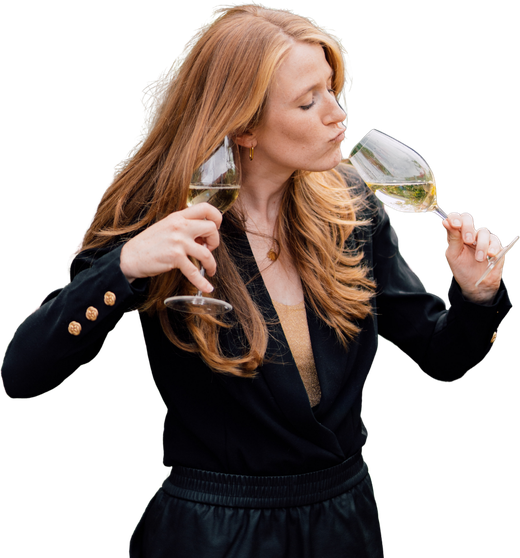
Margot van Lieshout
Wine marketeer, sales expert with over 20 years in the trade, public speaker and international wine judge. Thousands of wines scored from Steiermark to Ningxia, and a trade she knows from the inside out. Wine with Margot is where she helps wine brands tell the stories that sell them.
Want to argue about this? Good.
The conversation about every article happens in the Substack comments, together with the newsletter. Join free and bring opinions.


