

I could not stop looking out of the window. Fifty-odd wine judges on a bus, winding south out of the flatlands, and the whole coach fell quiet as the hills came up: green stacked on green, vineyards combed into every slope, a sky so blue it looked painted on. We were heading for Weingut Gross, where a group of the region's winemakers were waiting to pour for us. April 2024, back in Austria as a juror for the Sauvignon Selection by Concours Mondial de Bruxelles, and I already knew Südsteiermark was going to be the region I would not shut up about.
Tucked into the southernmost tip of Austria, right against the Slovenian border, Südsteiermark punches far above its size. It is the smallest of the three Styrian regions by total area, yet it carries the most vines, and it has quietly become one of the most exciting Sauvignon Blanc addresses in Europe. Before I take you through the tasting, let me walk you through the ground it all grows on.
The smallest region with the most vines

Südsteiermark, South Styria, sits in the far south of Austria on the Slovenian border. In total area it is the smallest of Steiermark's three growing regions, and yet it carries the highest number of vineyard plantings of the three, 2,798 hectares under vine. That density is the first clue to why the region tastes the way it does: every hectare is worked hard, and most of them are worked at an angle.
- Steep hills, hand-worked. These are some of the steepest vineyards in Austria, with inclines that reach up to 90 percent and elevations from 300 to 600 metres. That terrain rules out machines and demands hand-harvesting, and it hands each site its own sun exposure and microclimate.
- A cool climate with two accents. Südsteiermark runs cooler than most of Austria, with a wide swing between warm days and cool nights. That long, slow ripening builds aromatic complexity and bright acidity, in a microclimate that feels part Alpine, part Mediterranean.
- A patchwork of microclimates. The hilly terrain and shifting altitudes pack a lot of different growing conditions into a small area, so each grape can be planted exactly where it does best.
- Organic and biodynamic by instinct. Many of the region's growers were early to organic and biodynamic viticulture, and sustainable farming is closer to the norm here than the exception.
- Gemischter Satz, the old way. Plenty of older vineyards are still planted as a field blend of several varieties in one plot, a tradition called Gemischter Satz that gives complex, layered wines straight from the vineyard.
Five districts, one DAC

Südsteiermark DAC breaks into five viticultural districts, each with its own rock, altitude and flagship grapes. This is where the region's diversity really shows itself:
- Kitzeck-Sausal, 419 hectares. Sauvignon Blanc and Riesling lead here. The soils are mostly slate in red, blue-black, green and grey, formed from crystalline schist, with the odd patch of limestone. Older, harder rock than the surrounding basin, planted at 380 to 650 metres; the steepest sites tilt past 70 percent and can only be cultivated by hand.
- Gamlitz, 693 hectares. Sauvignon Blanc and Muskateller are the calling cards. Sandy and gravel soils here, plus limestone and marl, at 320 to 550 metres. A few steep hills rise above the rest of the landscape, cut through by two streams in rift valleys, the Steinbachgraben and the Kranachgraben.
- Eichberg, 355 hectares. Sauvignon Blanc and Muskateller again. Light gravel and sandy soils from alluvial deposits, or sandstone. The Eichberg chain of hills runs between Gamlitz and Leutschach at 450 to 600 metres, steep-sloped, and close enough to the Koralpe range to catch its cooling influence.
- Ehrenhausen, 426 hectares. Sauvignon Blanc and Morillon lead. The soils lean medium-heavy to heavy limestone, Leithakalk, also known as coral limestone, with some Opok mixed in.
- Leutschach, 631 hectares. Sauvignon Blanc and Muskateller. Heavy beds of calcareous marl, Opok, laced with gravel banks. These are among the most southerly vineyards in Steiermark, sitting at 380 to 570 metres, with slopes that climb to a 75 percent incline.
The hectares are numbers dating back to 2024.
A mosaic of geological history
- A chunk of Opok marl held in the hand, the calcareous clay that hands Südsteiermark Sauvignon Blanc its stony, flinty signature.
- A shard of dark slate from the Kitzeck-Sausal slopes, the crystalline schist that gives the district's Sauvignon Blanc and Riesling their taut, mineral edge.
- A fossil set in calcareous rock, a reminder of the ancient seabed under these hills that lends the wines their salty, stony lift.
- Leithakalk in the hand, the coral limestone of Ehrenhausen that gives the Sauvignon Blanc grown on it a fine, saline tension.
The soils of Südsteiermark read like a geology lesson: marl, sand and limestone layered across the hills, and it is that mix that gives the wines their minerality and backbone. The star of the show is the marl-rich clay the locals call Opok, highly calcareous and unusually good at growing Sauvignon Blanc. Opok is what stamps that stony, flinty character onto the wine, the signature you learn to recognise blind. This is a region where the ground genuinely speaks through the glass, and that is what sets it apart.
The grapes: white, with a Slovenian accent
Südsteiermark is overwhelmingly white wine country, 2,251 hectares of white varieties against just 247 hectares of red, barely 9 percent of the total. Sharing a border with Slovenia, the region carries a strong cultural and historical exchange with its neighbour, and you taste it in the shared varieties, Sauvignon Blanc above all, which thrives on both sides of the line. The plantings, in order:
- Sauvignon Blanc, 721 hectares
- Welschriesling, 412 hectares
- Muskateller, 404 hectares
- Weissburgunder, 345 hectares
- Chardonnay, 256 hectares
- Zweigelt, 108 hectares
- Pinot Gris, 91 hectares
- Müller-Thurgau, 90 hectares
- Blauer Wildbacher, 88 hectares
- Riesling, 47 hectares
Sauvignon Blanc, the crown jewel

Sauvignon Blanc and Südsteiermark are almost synonymous now, but its reign is recent. The variety was born in France's Loire Valley, as most of us know, and only found this second home over the course of the 20th century, once pioneering growers clocked what the cool climate and those unusual soils could do with it. Today it accounts for a large slice of the region's production, and its international reputation keeps climbing. With good reason.
 89/100
On tasting, Südsteiermark Sauvignon Blanc is unmistakably aromatic, an explosion of scent that still reads differently from, say, a New Zealand version. Expect anything from ripe tropical fruit, passion fruit and guava to the green side of the grape, gooseberry, green pepper and freshly cut grass. The palate carries the crisp acidity you would expect from a cool climate, wrapped in a creamy texture and mineral undertow, and the finish runs long and fresh on citrus and flint.
It is a food wine, too, especially with the local table. That high acidity and vibrant fruit cut straight through regional dishes like Backhendl, the Styrian fried chicken, and Steirisches Wurzelfleisch, pork with root vegetables, and it sings next to the famous pumpkin seed oil that dresses every Styrian salad. The minerality also makes it a natural with seafood: smoked trout, or grilled pikeperch.
Muskateller, a fragrant delight

Sauvignon Blanc may be the headline act, but it is not the only reason to come. Gelber Muskateller, Yellow Muscat, loves this terroir and shows it: intensely aromatic, a bouquet of florals and citrus with a lick of spice for complexity. It is the wine you pour as an aperitif, or alongside something light and equally aromatic.
Welschriesling, the underdog with potential
Despite the name, Welschriesling has no relation to noble Riesling. In Südsteiermark it makes crisp, refreshing whites built for warm afternoons, typically dry, with zesty acidity and flavours of green apple, lemon and a touch of white flowers. It reads as a pure product of the cool climate, and it is quietly gaining a reputation for wines with real ageing potential.

The Südsteirische Weinstrasse
One of the most seductive things about Südsteiermark is the wine route itself. The Südsteirische Weinstrasse winds for more than 40 kilometres through terraced vineyards, storybook villages and family-run cellars, and it is as much a feast for the eyes as for the palate. Stop anywhere and you meet the warmth the region is known for, growers who are genuinely glad to share what they do. I have written a full guide to the route and the wineries worth pulling over for, if it tempts you the way it tempted me.
Recognition on the international stage

The last few years have pushed Südsteiermark further toward organic and sustainable winemaking, with more growers turning to biodynamic methods, feeding the soil and cutting chemical inputs. It is better for the land, and it makes for wines that read even more clearly of their place. That purity is getting noticed: Südsteiermark's growers keep collecting accolades at competitions like the Concours du Sauvignon by Concours Mondial, and the region's Sauvignon Blanc in particular now sits among the world's finest expressions of the grape. Critics, importers and drinkers are all catching on, which is exactly why I keep coming back to it.
People also ask
Any questions related to this topic? Maybe you can find your answer here. Click here!
Where is Südsteiermark and what is it known for?
Südsteiermark, or South Styria, sits in the far south of Austria on the Slovenian border. It is the smallest of the three Styrian regions by area but the most densely planted, and it is best known for mineral, aromatic Sauvignon Blanc grown on steep, hand-worked hills.
What are the five districts of Südsteiermark DAC?
Südsteiermark DAC has five viticultural districts: Kitzeck-Sausal, Gamlitz, Eichberg, Ehrenhausen and Leutschach. Each has its own soils and flagship grapes, though Sauvignon Blanc leads in all five, joined variously by Riesling, Muskateller and Morillon.
What is Opok soil?
Opok is a marl-rich, highly calcareous clay found across Südsteiermark. It is well-drained and mineral-heavy, and it is especially good for Sauvignon Blanc, lending the wine the stony, flinty character that defines the region's style.
How does Südsteiermark Sauvignon Blanc taste?
It is intensely aromatic, ranging from tropical passion fruit and guava to green gooseberry, green pepper and cut grass. The cool climate gives crisp acidity, balanced by a creamy texture and mineral undertone, with a long, fresh finish of citrus and flint.
What food pairs with Styrian Sauvignon Blanc?
Its high acidity and bright fruit suit local dishes like Backhendl (Styrian fried chicken), Steirisches Wurzelfleisch (pork with root vegetables) and salads dressed in Styrian pumpkin seed oil. The minerality also makes it a strong match for seafood such as smoked trout or grilled pikeperch.
Resources
- Austrian Wine, the country's official wine body, on Südsteiermark DAC, its five districts, soils and grape varieties. https://www.austrianwine.com/our-wine/winegrowing-regions/steiermark-styria/suedsteiermark
- Wein Steiermark, the regional wine board, on Styrian terroir and grape varieties. https://steiermark.wine/en/original/terroir/grape-varieties/
- Wine-Searcher's regional profile of Südsteiermark, with vineyard area and district detail. https://www.wine-searcher.com/regions-sudsteiermark
- Sauvignon Selection by Concours Mondial de Bruxelles, the competition behind the April 2024 judging trip. https://sauvignonselection.com/en/
- Austria's official tourism board on Southern Styria and its wine roads. https://www.austria.info/en-us/regions/southern-styria/
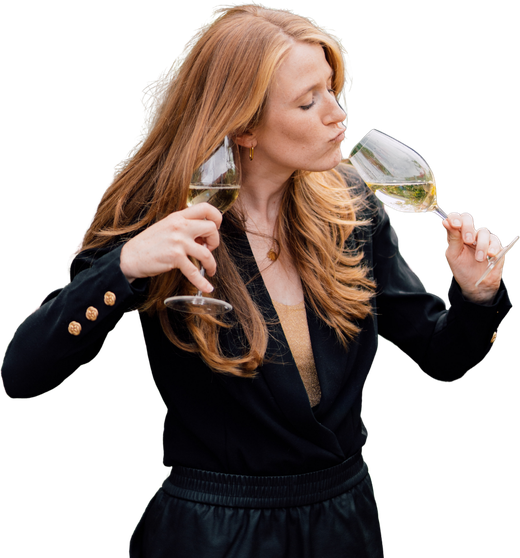
Margot van Lieshout
Wine marketeer, sales expert with over 20 years in the trade, public speaker and international wine judge. Thousands of wines scored from Steiermark to Ningxia, and a trade she knows from the inside out. Wine with Margot is where she helps wine brands tell the stories that sell them.
Want to argue about this? Good.
The conversation about every article happens in the Substack comments, together with the newsletter. Join free and bring opinions.


