

For years the alcohol free shelf was where good intentions went to taste disappointing. A watery white here, a sweet fizzy red there, all of it apologising for what it was not. Half a year before I walked into this masterclass I had already made the commercial case, in Wineries Can No Longer Ignore Alcohol-Free Wine, that the growth and the seriousness of the category were impossible to wave away. What I did not have then was proof in the glass. So, when the World Bulk Wine Exhibition in Amsterdam gave a whole masterclass over to no and low alcohol wine last November (2025), under the title From Compromise to Celebrating, I went to find out whether the liquid had finally caught up with the market. It has. The category has quietly stopped being an apology and started being a product, and most wine lists have not noticed yet.
What no and low alcohol wine actually is, and why wine is the hardest drink to zero

Start with the labels, because they sound scarier than the liquid. No alcohol means somewhere between 0.0 and 0.5 per cent, depending on where the market draws its legal line. Low, or light, means a few per cent. And 0.5 per cent is a genuinely trivial amount, less than you would get from a very ripe banana or a glass of orange juice left out on a warm morning. Nobody is getting anywhere near merry on it. So, the first job is to stop treating the number on the label as the point, because it is not.
How it is made matters more, and it doubles as the reason a good one is hard to find. You do not brew a no alcohol wine weak. You make a proper wine first, ferment it right through, and then take the alcohol back out afterwards, usually with a spinning cone column or low temperature vacuum distillation. Both are gentle as these things go, but removing the alcohol still strips out volume and a lot of the perfume along with it. A wine can lose a real chunk of its body and aroma on the way through. That is why a 0.0 lives or dies on the base wine underneath it: rubbish in, worse out.

Wine is the hardest drink to zero, and beer is the easy comparison. Beer is a relatively simple product built around its strength, so taking the alcohol out leaves less of a hole. Wine is complex, and the alcohol is carrying a great deal of its aroma and all of its warmth and weight. Pull it out and you can taste the gap. Red is the hardest style of all: the research on this is blunt, with red wines losing far more of their key aroma compounds than whites or rosés, because the tannin and structure that read as wine lean on the alcohol to feel in balance. White and sparkling come through best, which is exactly why the panel kept pointing buyers there first.
A bad 0.0 gives itself away fast. The tells are a boiled cabbage note, a short hard finish, or a slug of sugar, often 30 to 40 grams a litre, bolted on to fill the space where the alcohol used to be. A good one starts from a very good base wine, keeps the sugar honest, and for reds means picking earlier, extracting less and using less oak, so there is simply less to lose when the alcohol goes. Even the packaging is part of it: clear glass and a plastic stopper work against a wine that has lost the alcohol that used to help protect it. None of this is exotic. It is just winemaking done on purpose rather than as an afterthought.
The trade case: a sober curious majority, not a teetotal niche

The mistake is to file this under drinks for people who do not drink. That is the small version of the market, and it is not where the growth is. The buyers are the sober curious: the Dry January and Sober October crowd, the demi sober drinker cutting down rather than out, the person driving home, the pregnant guest, the one with an early start who still wants to sit at the table and take part. Irem Eren, the no and low alcohol expert who led the masterclass, kept returning to one point: the category is not chasing teetotallers, it is recruiting drinkers. Or, as her fellow panellist Robert Joseph put it, alcohol free wine is doing a different job. It is not competing with your Sancerre. It is filling an occasion your list currently leaves empty.

The numbers Irem Eren put up back the occasion, not the fad. No alcohol wine is growing steadily, and more tellingly it is pulling in new drinkers faster than the low alcohol tier: 61 million new buyers across ten major markets in two years, skewing younger and drinking more often than the core. The whole no alcohol category is on track to add more than 4 billion dollars by 2028. This is not a novelty shelf you clear at the end of the year. It is a growing occasion with real money moving into it.
On the list itself the logic is clean. There is no duty on the alcohol, the guest who orders it would otherwise have had a soft drink or nothing, and it hands your floor a talking point instead of a shrug. Better still, the category competes hard on marketing but thin on genuinely good liquid, so the buyer who lists a 0.0 that actually tastes of something gets to look clever while everyone else is still serving apologies. We are in the pleasure industry, went the line I scribbled down in the masterclass, we are here to make the consumer happy. A good no alcohol pour does exactly that for the third of your guests who, on any given night, would rather not drink.
The WBWE flight I tasted, read the way a buyer reads it

The masterclass, From Compromise to Celebrating, poured four no and low wines chosen to show how far the category has come, from a white and a rosé through to a red. Irem Eren, the no and low alcohol specialist and WSET Diploma holder who led the session, walked us through each pour and the data behind it, with Robert Joseph, co-owner of the Le Grand Noir brand and a long standing sceptic turned cautious believer, in the second chair. Here is the flight, in pouring order, read the way a buyer reads it, with my score out of 100 against each.
Proof I did my homework

Giesen 0% Sauvignon Blanc
92/100
Le Grand Noir Alcohol Free
89/100
Atelier Wines Seven Summers 2025
91/100
Bergdolt-Reif & Nett Breakaway Pinot Noir
90/100Proof I did my homework: Giesen 0% Sauvignon Blanc (92/100) · Le Grand Noir Alcohol Free (89/100) · Atelier Wines Seven Summers 2025 (91/100) · Bergdolt-Reif & Nett Breakaway Pinot Noir (90/100).
Giesen 0%, the white that opens the case. A New Zealand Sauvignon Blanc with the alcohol taken out, it led the flight and made the point instantly: proper texture, high acidity, aromatic and floral, and no sweetness papering over the cracks. This is the style that survives de-alcoholisation best, and it is where I would start any list. The panel's blunt advice was that the easiest thing to get right is a white or a fizz with bubbles, so begin there. I scored it 92.
Le Grand Noir Alcohol Free, the marketing masterclass. Robert Joseph's own wine, a Grenache Blanc led white blend at around 3 euro ex cellar. High acidity, citrus and floral, gone a touch quickly on the finish, and to my palate still reading a little warm for a 0.0. Not my favourite in the glass, but a proper lesson in how to package and sell the category. I scored it 89.
Atelier Wines Seven Summers 2025, the crowd pleaser. A French rosé from Grenache, Cinsault and Syrah, all almond and raspberry with about 10 grams of sugar keeping it soft. Fabulous marketing again, and the kind of easy, pretty pour that converts a nervous first timer in a single sip. I scored it 91.
Bergdolt-Reif & Nett Breakaway Pinot Noir, the proof the reds are coming. This de-alcoholised Pinot Noir from Duttweiler in the Pfalz closed the flight and had no business tasting this complete. It lacked the weight the alcohol usually gives, but the tannin structure, the length and a real explosion of red fruit were all there, carried by high acidity. Bergdolt-Reif & Nett started from a genuinely good base wine and you can taste it, which is the whole trick with a red: pick and make for zero from the start, so there is less to lose when the alcohol goes. It is non vintage, and it is the bottle that made the room sit up, because red is the hardest style to pull off. I scored it 90.
Where no and low fits on your list
Put it in the occasion slot and let it answer the guest your list currently ignores. The concrete move is a two wine start: a 0% sparkling and a 0% white by the glass, the two styles most likely to actually taste good, priced so the sober curious guest can say yes without a second thought. That gives your floor one clean offer for the driver, the pregnant guest, the daytime table and the person simply having a night off, and it costs you a single slot to own a moment nobody nearby is serving well.

Keep the reds for phase two, once you have found one that clears the bar, and lead with it as a talking point rather than a staple. The pairing logic is the same as it ever was: a 0% white with the lighter starters and the salads, a 0% sparkling as the welcome pour so the non drinker is not handed a soft drink and quietly made to feel like a child. The point is never to replace your wine list. It is to stop turning away the third of the table who, tonight, would rather not drink, and to do it with something that tastes like you meant it.
No and low will not force its way onto your list. The names are unfamiliar, the reputation is still recovering, and it is always easier to pour another soft drink and move on. That is precisely why the buyer who lists a genuinely good one first gets to own the occasion before the rest of the trade wakes up to it. If you make a no alcohol wine, or import one, and cannot work out why the trade keeps treating a genuinely good product as a compromise, that gap between a great wine and a wine that gets taken seriously is the whole reason Wine with Margot exists. Let's fix the story so the wine gets the listing it has earned.
People also ask
Any questions related to this topic? Maybe you can find your answer here. Click here!
What is no alcohol wine and how is it made?
No alcohol wine is a wine made normally and fully fermented, then had its alcohol removed afterwards, usually by a spinning cone column or low temperature vacuum distillation. It typically contains between 0.0 and 0.5 per cent alcohol, depending on the market's legal definition, and because removing the alcohol also strips out aroma and body, a good one depends heavily on the quality of the base wine.
Why is de-alcoholised wine harder to make than alcohol free beer?
Beer is a relatively simple product built around its strength, so removing the alcohol leaves a smaller gap. Wine is more complex, and its alcohol carries much of the aroma and all of the warmth and weight, so taking it out leaves a hole you can taste. Red wine is the hardest of all, because its tannin and structure lean on the alcohol to feel balanced, which is why whites and sparkling wines survive de-alcoholisation best.
Who actually buys no and low alcohol wine?
The main buyers are the sober curious rather than lifelong non drinkers: the Dry January and Sober October crowd, people cutting down rather than out, drivers, pregnant guests and anyone who wants to take part at the table without the alcohol. No alcohol added around 61 million new buyers across ten major markets between 2022 and 2024, and these recruits skew younger and drink more often than the existing core.
Should restaurants and wine buyers list no alcohol wine?
Yes, if it is treated as an occasion rather than a niche. There is no duty on the alcohol, the guest who orders it would otherwise have had a soft drink or nothing, and it gives the floor a talking point. The simplest start is a 0% sparkling and a 0% white by the glass, the two styles most likely to taste good, with reds added later once a genuinely good one is found.
What does good no alcohol wine taste like, and how do you spot a bad one?
A good no alcohol wine starts from a high quality base wine, keeps its sugar in check and tastes clean, fresh and balanced, with proper acidity and aroma. A poor one gives itself away with a boiled cabbage note, a short hard finish, or a heavy dose of added sugar, often 30 to 40 grams a litre, used to fill the space the alcohol left behind.
Resources
- IWSR, Growth of $4bn+ expected from the no-alcohol category by 2028, on the category's value and momentum. https://www.theiwsr.com/insight/growth-of-4bn-expected-from-no-alcohol-category-by-2028/
- IWSR, More than moderation: the long-term rise of no and low, on new-consumer recruitment and the no-alcohol wine growth rate. https://www.theiwsr.com/insight/more-than-moderation-the-long-term-rise-of-no-and-low/
- Irem Eren, no and low alcohol specialist and WSET Diploma holder, masterclass lead speaker, on the category data and the recruiting-drinkers argument. https://www.iremeren.com/
- Vinexposium, World Bulk Wine Exhibition 2025 press release, on the show's scale and the no and low theme. https://www.vinexposium.com/wp-content/uploads/2025/10/WBWE25_PR-EN-.pdf
- RAI Amsterdam, World Bulk Wine Exhibition, for the venue and 24 to 25 November 2025 dates. https://www.rai.nl/en/calendar/world-bulk-wine-exhibition
- Comprehensive Reviews in Food Science and Food Safety, Dealcoholized wine: techniques, sensory impacts, stability, on how the alcohol is removed and the aroma loss, sharpest in reds. https://ift.onlinelibrary.wiley.com/doi/full/10.1111/1541-4337.70171
- Robert Joseph, What to look forward to and fear in 2026, part 2: alcohol-free wine, on the different-job argument and the Le Grand Noir interest. https://robertejoseph.substack.com/p/what-to-look-forward-to-and-fear-113
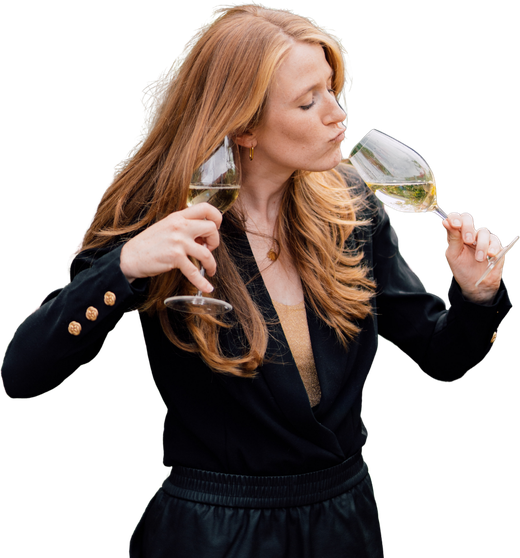
Margot van Lieshout
Wine marketeer, sales expert with over 20 years in the trade, public speaker and international wine judge. Thousands of wines scored from Steiermark to Ningxia, and a trade she knows from the inside out. Wine with Margot is where she helps wine brands tell the stories that sell them.
Want to argue about this? Good.
The conversation about every article happens in the Substack comments, together with the newsletter. Join free and bring opinions.


