

A conventional winemaker leaned across the tasting table in Steiermark, lowered his voice, and told me he was worried. Not about the vintage, not about the weather. About the young winemakers moving into the region and the wines they were making. Around us stood bottles with hand-painted labels, wax-dipped tops and cloudy contents, natural wines poured by the generation he felt was quietly rewriting what Styrian wine is supposed to be. I was there in April 2024 as a judge at the Sauvignon Collection by Concours Mondial de Bruxelles, and our group had been handed a question I could not put down: does natural wine belong here, or does it threaten everything the region has built?
I should say upfront where I sit. I genuinely love a good, pure natural wine, and I probably fit the profile of the drinker who goes looking for them. So take my view for what it is. But the more I turned the question over, the smaller the conflict looked next to the noise around it. Natural wine and the region's classic, terroir-driven bottles do not have to cannibalise each other. There is simply more wine to love, and more kinds of drinker to love it.

What natural wine actually means
For anyone who has not gone down this rabbit hole, natural wine is made with as little human intervention as possible, in the vineyard and in the cellar. A few principles sit at the heart of it.
- Organic or biodynamic farming, usually. Not always by rule, but most natural wine starts with grapes grown without synthetic sprays or fertilisers, often on biodynamic estates that treat the vineyard as one living system.
- Spontaneous fermentation. The wine ferments on the wild yeasts already living on the grapes and in the cellar, rather than a cultured strain added by the winemaker.
- Nothing added. Sulphur, sugar, enzymes and the rest are kept to a minimum or left out entirely.
- Little or no filtering. Many are bottled unfiltered, which can leave them cloudy and throw a little sediment. Some drinkers say it gives the wine more texture.
- Sauvignon Blow Sauvignon Blanc 2022
- St. Anna Sauvignon Blanc
- 'SB' Sauvignon Blanc Natural
- Monschein Sonnentanz Bioweinhof Froh-Natur
- Vom Sand Sauvignon Blanc
Why the style took root in Steiermark
Steiermark's winemakers have spent decades chasing one thing: the clearest possible expression of their vineyards. So it is no surprise the natural philosophy found a home here, especially with a younger generation who see minimal intervention as a way to get even closer to the land. The region hands them the right tools. The climate is cool, the soils shift from slate to limestone to the region's chalky Opok within a few kilometres, and the estates are small and hands-on. Wines made this way tend to come out more aromatic and more textural, with a sense of place that can charm and challenge a classic palate in the same sip.
 93/100
There is a commercial pull here too, and it starts before anyone tastes a thing. Natural wine has grown its own look: unusual bottle shapes, wax-dipped tops and bold, often hand-drawn label art, every design built to grab your hand off the shelf. Where a classic Styrian bottle leans on a trusted name and a tidy label, the natural crowd sells on personality. Another bottle, another one-off piece of artwork, standing out in a crowded shop before a drop is poured. For a young producer without decades of reputation behind them, that packaging is a real commercial tool, and a big part of why these wines travel so well with a younger, design-literate audience.
What the sceptics worry about
1. Bottles that do not always behave
The loudest criticism is inconsistency. Strip out the stabilising tools of conventional winemaking and the wine is more exposed: volatile acidity, oxidation, a stray refermentation in the bottle. For a winemaker who has built a name on clean, predictable wines, and for the drinker who expects the same bottle to taste the same twice, that unpredictability is a genuine cost.
2. A threat to what the region stands for
Some in the Styrian trade worry the natural wave could blur an identity built over generations. This is a region known for high-quality, terroir-driven wines from Sauvignon Blanc, Morillon and Schilcher. The fear is that a louder focus on alternative methods and less familiar styles could crowd those wines out of the conversation and chip away at their standing on the world stage. My own read is gentler: natural wine drinkers are still a minority, and they are not about to replace wines with a true regional identity.
3. Wine the customer cannot read
Natural wine asks a lot of a shopper who does not know the codes. A cloudy pour, an unexpected flavour, a texture that does not match the label can all put off someone who wants a classic profile. That gap between the natural crowd and the traditional drinker makes these wines harder to market and harder to place, which is its own kind of risk for the region.
Why the believers swear by it
1. Terroir with nothing in the way
The strongest argument for natural wine is transparency. With no synthetic chemicals, no additives and no heavy-handed cellar work, the soil, the climate and the grape get to speak for themselves. In a region as obsessed with terroir as Steiermark, that is a genuinely appealing promise.
2. Better farming, healthier land
Natural winemaking is stitched to organic and sustainable farming, and that matters more to drinkers and growers every year. In Steiermark, where the landscape itself is the region's calling card, low-intervention work helps protect biodiversity, keep the soil alive and shrink the footprint of viticulture.
3. A reason for new drinkers to look
The movement is also an engine for experimentation. Spontaneous ferments, extended skin contact for orange wines, a deliberately light touch: these give winemakers a way to stand out in a crowded market and pull in a younger, curious audience that might never have reached for a Styrian bottle otherwise.
- Sabotage Sauvignon Blanc 2021
- Harkamp Substance Sauvignon Blanc
- Peter Skoff Gut Kaspar Bio SB "Natural" Sauvignon Blanc
Coexistence or conflict?
So the region sits at a fork. Plenty of winemakers see natural wine slotting in alongside the classics, adding range and energy to the portfolio. Others still worry it will overshadow a reputation that took decades to earn. Both can be a little right at once.
The way through is balance and education, not a winner. Take the best of low-intervention winemaking without letting go of quality and consistency, and Steiermark ends up with a wider shelf that suits more tastes. Help drinkers understand the difference between a natural wine and a classic one, and both get appreciated for what they actually are, instead of one being judged by the other's rulebook. The goal has not changed: wines that taste of this specific, remarkable place.
Back at that table

Which brings me back to the bottles in front of me. For all my enthusiasm, I am not a fan of faulty wine, the overly bretty or mousy kind that natural wine gets teased for. None of that was on this table. The wines I tasted were a delight, and the packaging was half the fun: striking label art, unusual bottle shapes, every design fighting for your hand. This was the exact table where that quiet, worried conversation with the conventional winemaker happened, and I have left his name out on purpose. What I will happily name is the good company I kept while tasting: (FLTR) Me obviously, Will Hill MW candidate, Pasi Ketolainen MW, Louise Hurren and Luma Monteiro DipWSET. If this is the industry changing a little, I think it can do so without losing its heritage. There is room at the table for both.
People also ask
Any questions related to this topic? Maybe you can find your answer here. Click here!
What is natural wine?
Natural wine is made with as little intervention as possible, in the vineyard and the cellar. Grapes are usually farmed organically or biodynamically, fermentation runs on wild yeasts, and additives like sulphur are minimised or left out. Many natural wines are unfiltered, which can leave them cloudy.
Is natural wine the same as organic wine?
Not exactly. Most natural wine starts with organically or biodynamically farmed grapes, but organic certification only covers the farming. Natural wine goes further by also limiting what happens in the cellar, with wild-yeast fermentation and few or no additives.
What does Styrian natural wine taste like?
Styrian natural wines tend to be more aromatic and textural than the region's classic bottles, with a strong sense of place. Well-made examples taste fresh and clean, while skin-contact orange wines add grip and savoury, tea-like notes. Faults like bretty or mousy flavours are a risk in poorly made examples, not a feature of the style.
Does natural wine threaten traditional Styrian wine?
Some Styrian producers worry it dilutes the region's reputation for clean, terroir-driven Sauvignon Blanc and Morillon. In practice, natural wine drinkers are still a minority and tend not to compete for the same glass, so most producers see the two styles coexisting rather than one replacing the other.
What is orange wine?
Orange wine is white wine made like a red, with the juice left in contact with the grape skins for days, weeks or months. That skin contact gives it an amber colour, extra texture and savoury, grippy flavours. It is common in the natural wine world and appears among Steiermark's low-intervention producers.
Resources
- Austrian Wine, the country's official wine body, on the Steiermark region, its cool climate and grape varieties.
- Austrian Wine on biodynamic viticulture and the shift to low-intervention farming in Austria.
- Wine Spectator, Exploring the Wines of Styria, on the region's quality and reputation.
- The Morning Claret on Austria's love-hate relationship with natural wine, including skin-fermented Sauvignon Blanc from Steiermark.
- Primal Wine profile of Strohmeier, a Weststeiermark estate at the heart of the natural wine scene.
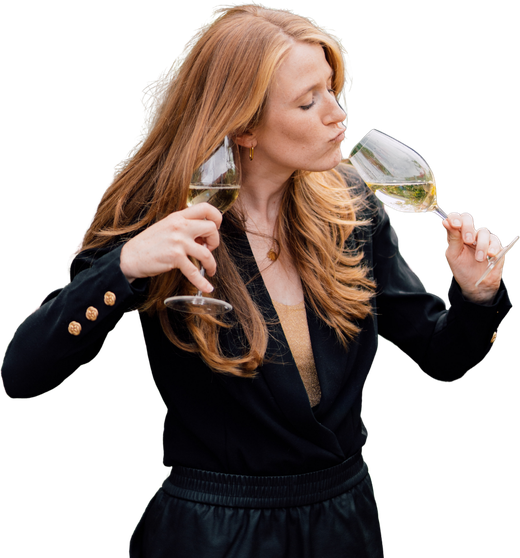
Margot van Lieshout
Wine marketeer, sales expert with over 20 years in the trade, public speaker and international wine judge. Thousands of wines scored from Steiermark to Ningxia, and a trade she knows from the inside out. Wine with Margot is where she helps wine brands tell the stories that sell them.
Want to argue about this? Good.
The conversation about every article happens in the Substack comments, together with the newsletter. Join free and bring opinions.


