

At ProWein 2025, the international wine trade fair in Düsseldorf, I tasted an alcohol-free sparkling wine I would happily have paid for. It came from the Prosecco region, it had bite and freshness, and there was enough going on to keep me reaching for the glass. Ten years ago that would have been a punchline. De-alcoholised wine meant the flat, sweet, apologetic stuff you handed the designated driver and quietly felt sorry about.
That reputation is out of date, and the numbers say so. The no-alcohol category grew by 13 percent across its ten biggest markets in 2024, the United States, the United Kingdom and Australia among them, and it is on track to add more than four billion US dollars in value by 2028. Better technology and a real shift in how people drink, younger drinkers most of all, have moved alcohol-free from a compromise to a category worth shelf space. Gen-Z and late Millennials are the driving force. But what’s causing this shift? You can read the full commercial case in my companion piece, Wineries Can No Longer Ignore Alcohol-Free Wine.
How Is Alcohol-Free Wine Actually Made?
Alcohol-free wine, also referred to by the more technical term de-alcoholised wine, initially goes through the same production process as traditional wine. This means that grapes are fermented and the wine matures as usual. The alcohol is then removed using various methods:
- Vacuum Distillation: In this method, wine is heated under low pressure, causing the alcohol to evaporate without significantly affecting the aromas and flavours.
- Reverse Osmosis: This method filters the alcohol out of the wine using membrane technology, retaining only water and aromas, which are then reintroduced.
- Spinning Cone Column (SCC): An advanced technique in which aromas and alcohol are separated by a series of spinning cone-shaped plates.
These are all highly advanced chemical processes, with methods 2 and 3 being the most common.
- There is another method, where the alcohol-free alternative is not wine at all, but rather pure grape must (the pre-wine phase), to which water is added, possibly along with sulphites and/or bubbles, to create an alcohol-free fruit drink based on grape juice.
This technique may sound very cheap, but during ProWein I tasted a few very interesting “wines” made this way, one from the Prosecco region and one from Brazil.
Why great alcohol-free wine starts with better grapes

I’ve heard from several winemakers of alcohol-free wine that it all starts with setting specific requirements for the grapes used to make alcohol-free wine. They want only the best of the best fruit. Fruit that is very ripe and expressive in character and often has a high sugar content (these are usually very ripe grapes that would normally produce high-alcohol wines). These are all criteria that are important for creating a quality alcohol-free product. Why?
- You need a lot of flavour and mouthfeel when you remove the alcohol compound from the wine, to still have body in your wine.
- You need very expressive aromas, often found in grape varieties like Sauvignon Blanc, Muscat, and Gewürztraminer, so that strong aromas remain after the alcohol is removed.
- Nice acidity? Varieties like for example, Sauvignon Blanc naturally have a nice acidity that helps keep alcohol-free wines “exciting” and balances out residual sugars, preventing the wine from becoming “too heavy.”
- A high sugar content in the grape also ensures more body in the wine or a sweet finish. But often with high sugar content, that acidity becomes a lovely balancing factor.
Thanks to all these methods and insights, a certain complexity of the wine is retained, which is why de-alcoholised wines continue to improve and receive increasing appreciation.
The Influence of Gen-Z and “Us” as Millennials

Gen-Z and late Millennials are conscious drinkers. They value health, sustainability, and mindful consumption. For them, alcohol is no longer an obvious part of social occasions. Instead, they are more likely to choose alcohol-free alternatives that support a healthy lifestyle without compromising on taste and experience.
Key drivers within this generation include:
- Health and Wellbeing: The focus on “mindful drinking” and a conscious lifestyle is growing, with a preference for drinks that don’t negatively affect body and mind.
- Sustainability: Wines that are organic, fair trade, and sustainably produced strongly appeal to this audience.
- Shifting Social Norms: Where alcohol use used to be the norm, more and more young people are choosing to stay sober without social pressure.

We are collectively embracing moments built around not drinking. Dry January has gone global, Stoptober comes round every autumn, and in my own market the Dutch “Ik Pas” pledge has caught on fast with the under-thirties. Layer on years of government road-safety and under-age drinking campaigns pushing the same message, and the cultural weather has shifted: for a lot of younger drinkers, skipping the alcohol is now the easy, normal, even the cooler choice. That is the generation rewriting the rules, and it is exactly why the alternatives are booming.
Alcohol-Free Alternatives Besides Alcohol-Free Wine
The beer category is already well developed when it comes to 0.0 beer, the alcohol-free variant is barely distinguishable from the real thing. As a result, many people prefer to drink an alcohol-free beer: all the fun, none of the hangover.
Spirits also have a strong advantage when it comes to the alcohol-free version of the real deal. Why? Because in the world of spirits, additives are allowed that replicate mouthfeel and other flavour sensations, making alcohol unnecessary. This industry has become very strong in this area. Nowadays, a mocktail is a staple on (cocktail) drink menus. And honestly, they’re just as delicious, minus the headache.
This movement has driven the rise of alcohol-free wines and has led to broader acceptance of alcohol-free wine. However, many winemakers have started experimenting in other directions, looking into fermenting other fruits, or exploring (fermented) sparkling tea, or kombucha, fruit drinks infused with herbs. You name it, it probably exists by now, and in very high quality. Drinks you keep drinking, not just one glass, but drinks that keep you intrigued all evening, like a complex glass of sparkling tea!
- Sparkling Coffee by C.KLOSS, the Winninger Sektmanufaktur: alcohol-free, naturally cloudy, and far more interesting than it sounds.
- The Copenhagen Sparkling Tea Company’s Lysegrøn, a Sencha and green tea cuvée with citrus, organic and zero percent.
- Sir James 101, a full line of alcohol-free mocktails, from Ginger Mule to Passionfruit Martini, ready to pour.
- Dr. Jaglas Herber Hibiskus, a bittersweet hibiscus aperitif that drinks like a proper Sin Aperitivo.
- C.KLOSS Sparkling Tea, Edition Austria: alcohol-free, naturally cloudy, and the glass I kept coming back to.
Four alcohol-free drinks worth putting on a wine list
Over the past two years, and especially now in 2025, we’re seeing an explosion of high-quality alternatives, such as:
- Coffee and Kombucha-Based Drinks: These fermented teas made from large cultures have a slight fizz, a strong ‘bite,’ and a beautiful natural acidity, and are increasingly found on wine lists. Drinking (pure) kombucha also offers health benefits.
- Sparkling Tea: Various types of tea, cold brew, hot brew, or fermented, have complex flavour profiles and can often be served as a bubbly alternative. Teas infused with herbs, or sold as dry herbal blends, are gaining ground.
- Ready-To-Drink (RTD) Cocktails: Alcohol-free mocktails and mixed drinks with botanical ingredients are quickly gaining popularity and are now a supermarket staple.
- Non-Alcoholic Distillates: Think of alcohol-free gin alternatives enriched with herbs and spices for a refined flavour experience.
The Future of Wine Includes Alcohol-Free
The world of alcohol-free wine and alternative drinks continues to evolve rapidly. A movement largely driven by Gen-Z and late Millennials, we’re witnessing a fundamental shift in how people consume and enjoy drinks. With advanced production processes, high-quality alternatives, and a growing focus on health, the future of the alcohol-free category looks very promising.
2025 is shaping up to be the year when alcohol-free wine is no longer a compromise but a fully-fledged alternative that offers both flavour and experience.
If you make or sell wine, that is your cue. Taste widely, put a serious alcohol-free option on the list, and treat it as a category with a future rather than a box to tick. The drinkers have already moved. The trade that moves with them is the one that wins the next decade.
Any questions related to this topic? Maybe you can find your answer here. Click here!
How is alcohol-free wine made?
Alcohol-free wine starts life as ordinary wine: the grapes are fermented and the wine is matured as usual. The alcohol is then removed, most commonly by reverse osmosis or a spinning cone column, both of which strip out the alcohol while trying to hold on to the aromas and flavour. Some producers skip fermentation altogether and build the drink from grape must instead.
Is alcohol-free wine actually any good now?
The quality has climbed sharply, mainly because producers now start with very ripe, aromatic, high-sugar grapes chosen specifically for the process. That gives the finished wine enough body, acidity and aroma to survive having the alcohol taken out. It is no longer the flat, sweet compromise it was a decade ago.
Why is alcohol-free wine booming in 2025?
Younger drinkers, mainly Gen Z and late Millennials, are drinking less and choosing alcohol-free options that fit a health-conscious, sustainable lifestyle. Better production technology has caught up with that demand, so the drinks finally taste worth choosing. Public campaigns around mindful drinking have made going alcohol-free feel normal rather than unusual.
What can I drink instead of wine at dinner?
Beyond alcohol-free wine, the strongest options now are kombucha, sparkling tea, ready-to-drink mocktails and non-alcoholic distillates such as gin alternatives. Sparkling tea and kombucha in particular have the acidity and complexity to hold their own next to food, which is why they are turning up on restaurant drink lists.
Should wineries take alcohol-free seriously?
Yes. Alcohol-free is one of the fastest-growing segments in drinks, driven by a generation that will shape demand for decades. Wineries that experiment now, whether with de-alcoholised wine or adjacent drinks like sparkling tea, position themselves ahead of a shift that is already well underway.
Resources
- IWSR drinks market analysis, on the no-alcohol category growing by double digits across its biggest markets, the United States, the United Kingdom and Australia included: https://www.theiwsr.com/insight/more-than-moderation-the-long-term-rise-of-no-and-low/
- IWSR drinks market analysis, on the no-alcohol category set to add more than four billion US dollars in value by 2028: https://www.theiwsr.com/insight/growth-of-4bn-expected-from-no-alcohol-category-by-2028/
- Akhtar and colleagues, “Dealcoholized wine: techniques, sensory impacts, stability and perspectives of a growing industry”, Comprehensive Reviews in Food Science and Food Safety (2025), on vacuum distillation, reverse osmosis and the spinning cone column: https://pmc.ncbi.nlm.nih.gov/articles/PMC12004437/
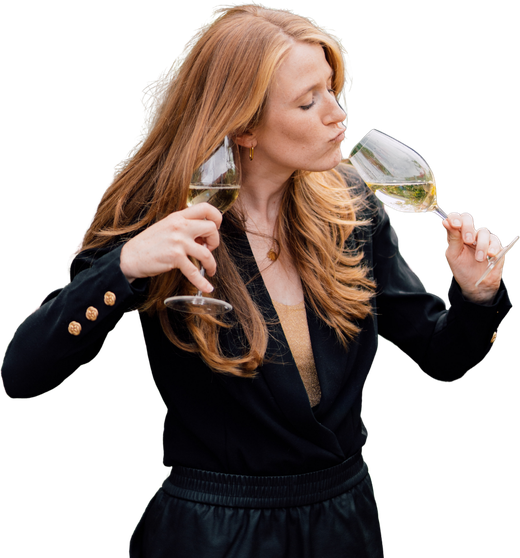
Margot van Lieshout
Wine marketeer, sales expert with over 20 years in the trade, public speaker and international wine judge. Thousands of wines scored from Steiermark to Ningxia, and a trade she knows from the inside out. Wine with Margot is where she helps wine brands tell the stories that sell them.
Want to argue about this? Good.
The conversation about every article happens in the Substack comments, together with the newsletter. Join free and bring opinions.


