

A thousand new visitors landed on your site last month and your wine sales did not move. That gap, between the traffic report that looks healthy and the bank balance that does not, is where most wine brands quietly bleed money. Traffic feels like progress because it is easy to count. It is also the vanity metric most likely to flatter you into doing nothing differently.
Traffic is not the goal, it is the start of a relationship. The goal is resonance that turns into revenue, and that only happens when your site makes the next step obvious. In part one we built clarity. Here we turn attention into action, without ever raising our voice.
The invisible bridge from clicks to commitment
You have told your story and built structure around it. Now comes the part most wineries, importers, and creators skip entirely: translating interest into interaction. Every visitor arrives mid-thought, and your job is to shape the space, so they instinctively know what to do next, whether that is subscribe, taste, visit, buy, or share. This is where we stop shouting and start guiding.

Why people buy on feeling, then reach for reasons
Nobody clicks "add to cart" because of logic. They click because of trust, timing, and emotion, then they reach for the rational reasons afterwards to feel good about the choice. This is not a soft opinion. Across 996 campaigns studied for the IPA, Les Binet and Peter Field found that emotional campaigns reported very large business effects 31 percent of the time, against 16 percent for rational ones: close to double the hit rate for the biggest profit gains. Feeling is not the fluffy part of marketing. It is the engine.
So, before you add another button or banner, decide what each page should make someone feel. The homepage sells trust: "I have landed in the right place." The about page sells affinity: "I like these people, they get me." The product page sells desire: "This fits my taste and my table." The checkout sells confidence: "This feels simple and safe." When every stage answers an emotional need, buying becomes a natural next step instead of a forced one.

Design the tasting flight, not the fire hose
Picture your online presence like a tasting flight. Each pour sets up the next, and the order is the whole point. Your audience should move through the same rhythm, from curiosity to connection to conversion.

The classic mistake is pouring all three glasses at once. Every post pushes a sale, every page shouts "Buy now", and the noise drowns out the desire. Build the flight instead and let one step lead naturally into the next.
Why one clear call to action beats ten

There is a famous study worth keeping on your desk. Psychologists Sheena Iyengar and Mark Lepper set up a tasting table in a grocery store. One day they offered 24 jams, another day just 6. The big display pulled a bigger crowd, but here is the twist: 30 percent of people who saw the small selection bought a jar, versus only 3 percent at the large one. Roughly ten times the conversion, from fewer choices.
Your website is that tasting table. Give one page five competing calls to action and you have built the 24-jam display: admired, photographed, and walked away from. Give it one clear next step and you have built the six-jar version that people actually buy from. One CTA per page, not ten. Choice feels generous. Focus is what converts.
The quiet power of micro-conversions
A tasting does not always end in a case sale. Sometimes it is a single bottle, sometimes just a promise to come back. Online, it is the same. Newsletter sign-ups, a "save for later", an event enquiry: these micro-conversions are the first sips of trust, and they are worth treating like gold. Offer value the instant someone says yes, with a welcome note that sounds like a human wrote it. Keep nurturing through story-driven emails. Then turn every small yes into a bigger one. Loyal customers rarely arrive from a single ad. They grow out of small moments of belonging.
How do you match the page to the buyer's intent
Every click carries an intention, and your only job is to meet it where it already is. Informational intent wants the curiosity answered, so give it storytelling blogs, educational posts, and behind-the-scenes video. Transactional intent wants the choice made simple, so give it clear CTAs, honest pricing, and strong photography. Relational intent wants to belong, so build community through collaborations, real faces, and shared experiences. When your content mirrors what people actually came for, conversion rises on its own, because you have stopped persuading and started meeting them where they are.
Nurture, don't nag

Follow-up is where most brands lose the rhythm. They chase when they should charm. Your post-visit and post-purchase messages should feel like a thank-you note, not a sequence. A simple flow does the work: first a warm gratitude email ("This vintage exists because of the same soil you just tasted"), then an honest behind-the-scenes update from harvest or bottling, then a gentle re-engagement invite to a tasting or a limited release. Done this way you are not filling an inbox, you are extending hospitality.
Great brands don't sell harder. They invite better.
From customer to "my winemaker"

The most powerful conversion is not a sale, it is a shift in identity. The moment a customer starts saying "my winemaker", "our importer", "our local wine club", you have crossed from commerce into community, and community is the one moat competitors cannot buy their way past. Clarity built the trust, structure created the path, and consistency turns that connection into loyalty. Traffic brought them in. Your story is what keeps them close.
Conversion, in the end, is hospitality at scale. When your brand makes people feel guided, respected, and understood, you do not have to sell, because they choose to stay. Pour clarity into every page, warmth into every message, and purpose into every call to action. That is how traffic turns into tastings, and tastings into people who would not dream of drinking anyone else's wine.
People also ask
Any questions related to this topic? Maybe you can find your answer here. Click here!
Why isn't my wine website traffic turning into sales?
Traffic only measures how many people arrived, not whether the site gave them a reason to act. A page can pull a healthy visitor count and still sell nothing if every visitor leaves without one obvious next step. The fix is to design each page around a single clear action and the feeling that makes it easy to take, so attention has somewhere to go.
How do you turn wine website visitors into buyers?
You guide them rather than shout at them. Decide what each page should make someone feel, homepage trust, product page desire, checkout confidence, then give every page one clear next step instead of a wall of competing options. When the emotion and the action line up, buying feels like a natural next move instead of a hard sell.
How many calls to action should a wine web page have?
One. In the famous Iyengar and Lepper jam study, a display of 6 options converted at 30 percent while a display of 24 converted at just 3 percent, roughly ten times the sales from fewer choices. Your website is that tasting table, so give each page a single clear next step rather than five competing ones.
What is a micro-conversion in wine marketing?
A micro-conversion is any small yes that stops short of a purchase: a newsletter sign-up, a save for later, an event enquiry. These are the first sips of trust and worth protecting, because loyal customers rarely arrive from a single ad, they grow out of small moments of belonging. Reward each one instantly with a warm, human welcome and keep nurturing from there.
Do emotional or rational marketing campaigns sell more wine?
Emotional ones tend to drive the bigger results. Across 996 campaigns studied for the IPA, Les Binet and Peter Field found emotional campaigns reported very large business effects 31 percent of the time, against 16 percent for rational ones, close to double the hit rate. People buy on feeling first and justify with logic afterwards, so lead with emotion and let the rational reasons back it up.
Resources
- https://ipa.co.uk/knowledge/effectiveness-research-analysis/les-binet-peter-field" target="_blank" rel="noopener">Les Binet and Peter Field, "The Long and the Short of It," IPA: across 996 campaigns, emotional campaigns reported very large business effects 31 percent of the time versus 16 percent for rational ones, close to double the hit rate for the biggest profit gains.
- https://business.columbia.edu/faculty/research/when-choice-demotivating-can-one-desire-too-much-good-thing" target="_blank" rel="noopener">Sheena Iyengar and Mark Lepper, "When Choice is Demotivating," Journal of Personality and Social Psychology, 2000: a 6-jam display converted at 30 percent against 3 percent for a 24-jam display, roughly ten times the conversion from fewer choices.
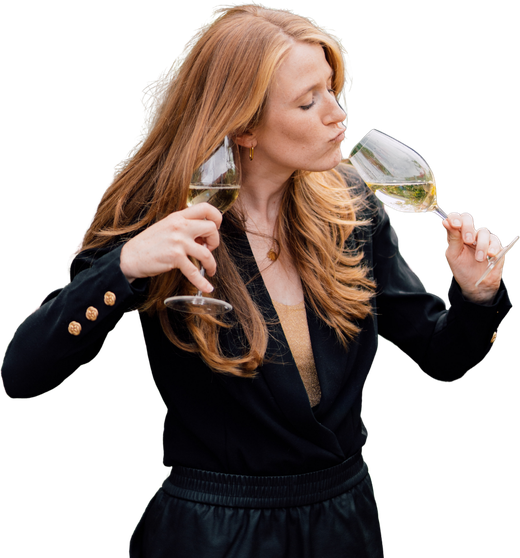
Margot van Lieshout
Wine marketeer, sales expert with over 20 years in the trade, public speaker and international wine judge. Thousands of wines scored from Steiermark to Ningxia, and a trade she knows from the inside out. Wine with Margot is where she helps wine brands tell the stories that sell them.
Want to argue about this? Good.
The conversation about every article happens in the Substack comments, together with the newsletter. Join free and bring opinions.


