

Somewhere in the last year, a stranger asked a chatbot which natural wine to bring to a dinner, got three producers by name, and bought one of them. Your wine was not on the list. You never found out, because there was no click to miss, no bounced email, no empty stand at a fair. The decision happened in a chat window, in the ninety seconds before your bottle was ever in the room.
That is the part the wine trade has not caught up to yet. We spent a decade optimising for the shelf, the search result, and the feed. Meanwhile the question changed shape. People no longer only ask where do I buy wine. They ask which wine should I buy, and a machine answers with specifics.
The wine-buying decision moved into the chat window
This is not a niche behaviour you can wait out. Roughly 50 million shopping queries run through ChatGPT every day, about 2% of all its traffic, against a base of around 900 million weekly users as of early 2026. OpenAI has since built a dedicated shopping research feature that interviews you about what you want and hands back a personalised buyer's guide. It is not the only one. Gemini, Claude, and Perplexity all do a version of the same thing.

And the appetite is there. In one 2026 survey, 64% of consumers said they planned to use AI chatbots for shopping this year, a chunk of them for the first time. Wine sits squarely in the categories this behaviour eats first: a considered purchase, unfamiliar names, too much choice, and a buyer who would quite like a knowledgeable friend to just tell them what is good. That friend used to be a shop assistant, or you. Increasingly, it is a model.
How does AI decide which wines to recommend?
Here is the reassuring part, and the whole strategy hiding inside it. A chatbot has never smelled a glass of Xinomavro. It cannot tell you your Gruner is singing this vintage. What it does is read: the enormous body of text it trained on, plus, more and more, live pages it fetches the moment you ask. Then it assembles an answer out of what already exists, written clearly enough for a machine to lift.
So the recommendation is not a matter of taste. It is a matter of evidence. When a model decides which producers to name, it leans on a stack of sources, and the pattern is fairly consistent: structured, factual information about the product; third-party mentions such as press, retailer listings, and sommelier writeups; and user-generated content, above all reviews. That last layer matters more than most wineries realise. Models lean on reviews because they are fresh, specific, and hard to fake at scale. It is no accident that Vivino, built on more than 100 million user reviews, is exactly the kind of source these systems love to draw from.

Notice what is missing from that stack: your homepage. A winery site with a hero video of morning mist over the vines, the word passion, and three tasting adjectives gives a machine almost nothing to hold. A model cannot repeat elegant and balanced to a stranger and expect it to mean anything. It needs the grape, the place, the style in plain words, the food it goes with, the price, and where to get it. Give it romance and it moves on. Give it facts and it quotes you.
Give it romance and it moves on. Give it facts and it quotes you.
Why bragging about your own winery backfires
There is a trap worth naming, because the instinct is so strong. When wineries first hear that AI reads the web, they rush to publish self-congratulation: the best boutique producer in the region, on their own page, in their own words. It does not work, and the data is quietly brutal about why. In one 2026 study of AI answers, when a brand's own self-promotional listicle got cited as a source, the brand itself was left out of the recommendation 69% of the time. The machine read the boast, clocked that it came from you, and recommended someone else.

Models trust corroboration, not self-praise. Being called excellent by a wine writer, a retailer, and forty reviewers is worth infinitely more than calling yourself excellent once. This is the same logic that has always governed reputation in wine. AI has just made it literal, and measurable.
It also fits how people actually behave once they have an answer. Consumers do not obey the bot blindly. 83% say they trust but verify a chatbot's recommendation, which means the model's suggestion sends them looking for you. If what they find when they land confirms the story, you have a warm buyer who arrived half-convinced. If they find a broken shop link and a PDF from 2019, you have handed the sale back.
How to get your winery recommended by AI
None of this requires a technical team or an agency on retainer. It requires being deliberately, findably real. If you want to know how to get your winery found in AI search, four moves do most of the work.
- Write your wines down like a human, not a brand trying to sound premium. Grape, region, style in plain language, the dish it belongs with, the price, and the link that actually sells it. A model can quote all of that. It cannot do anything with elegant and balanced.
- Answer the questions your buyers actually type. What to serve with grilled fish, which of your bottles suits a wedding, what a good natural red under twenty euros looks like. Put the answers somewhere public, because those are the exact questions being typed into the chat window.
- Get named by other people. Third-party mentions are what the machine trusts most, so pitch the writer, court the sommelier, make sure your retailers list you properly, and treat every review platform as a place your future customers are being sent.
- Keep your name and your niche consistent everywhere. That consistency is how a model learns to associate you with your subject, across every page it reads.

This is generative engine optimisation, and for wine it is still wide open.
This is the early days of Google, again
I have watched the wine industry arrive late to every platform that mattered, usually a year or two after the cost of entry went up. Search engines and AI models both build a slow, durable picture of who is associated with a topic, and the names that get cited today become the default answer tomorrow. Displacing an incumbent later is far harder and far more expensive than becoming one now, while the field is thin and attention is the only thing it costs.
The wine being recommended in that chat window over dinner will be someone's. The only real question is whether the machine has enough of your expertise, in a form it can use, to make it yours.
Frequently asked questions
Any questions related to this topic? Maybe you can find your answer here. Click here!
How do AI assistants decide which wines to recommend?
They read rather than taste. An AI assistant assembles its answer from a stack of sources: structured factual information about a wine, third-party mentions such as press and retailer listings, and user-generated reviews. It favours specific, corroborated, plainly written detail over marketing language, and it trusts what other people say about you far more than what you say about yourself.
Can a small winery get recommended by ChatGPT?
Yes, and small producers often have an advantage because their story is specific and their reviews are genuine. The work is to make your wines legible to a machine: describe them in plain, factual language, answer the real questions buyers ask, get named by third parties like writers and retailers, and gather honest reviews. Consistency of name and niche across the web does the rest.
What is generative engine optimisation for wine?
Generative engine optimisation, or GEO, is the practice of making your content easy for AI assistants to find, understand, and quote, so your wines surface when someone asks a chatbot what to buy. For wine it means writing clear factual descriptions, answering buyer questions publicly, earning third-party mentions, and encouraging reviews, rather than chasing reach or stuffing keywords.
Does my winery website still matter if people ask AI instead?
More than ever, but its job has changed. The website is where a trust but verify buyer lands after the AI names you, so it has to confirm the story fast and make the sale easy. It also feeds the machine: clear, factual, well-structured pages give AI something quotable, where a vague, image-heavy homepage gives it nothing.
Are AI wine recommendations accurate?
They are only as good as the sources underneath them, which is precisely why this matters. A model can only recommend what has been written about clearly and corroborated widely. Producers who are described vaguely, or barely mentioned at all, are simply left out, regardless of how good the wine is in the glass.
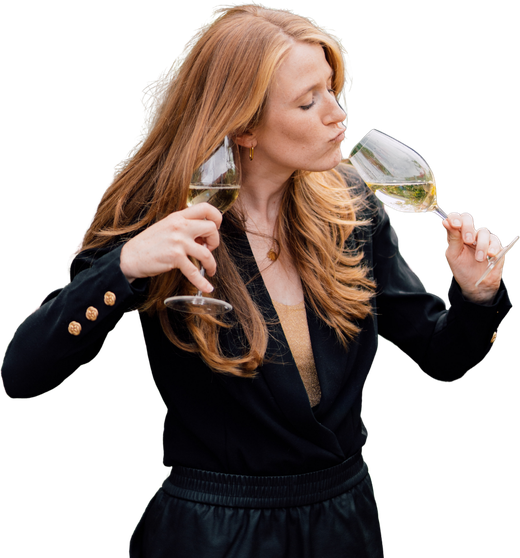
Margot van Lieshout
Wine marketeer, sales expert with over 20 years in the trade, public speaker and international wine judge. Thousands of wines scored from Steiermark to Ningxia, and a trade she knows from the inside out. Wine with Margot is where she helps wine brands tell the stories that sell them.
Want to argue about this? Good.
The conversation about every article happens in the Substack comments, together with the newsletter. Join free and bring opinions.


